
Since I Can Remember

Since I Can Remember
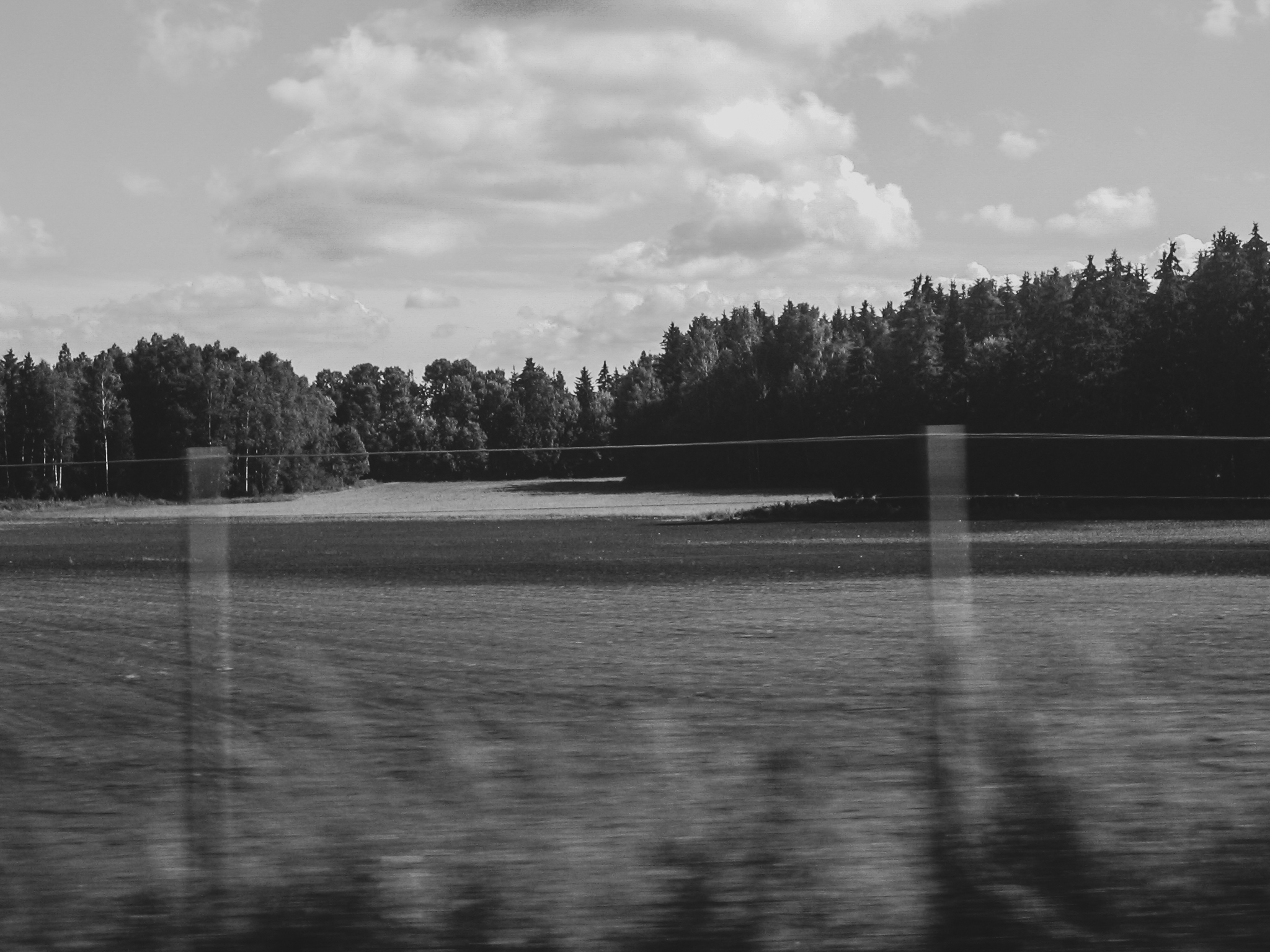
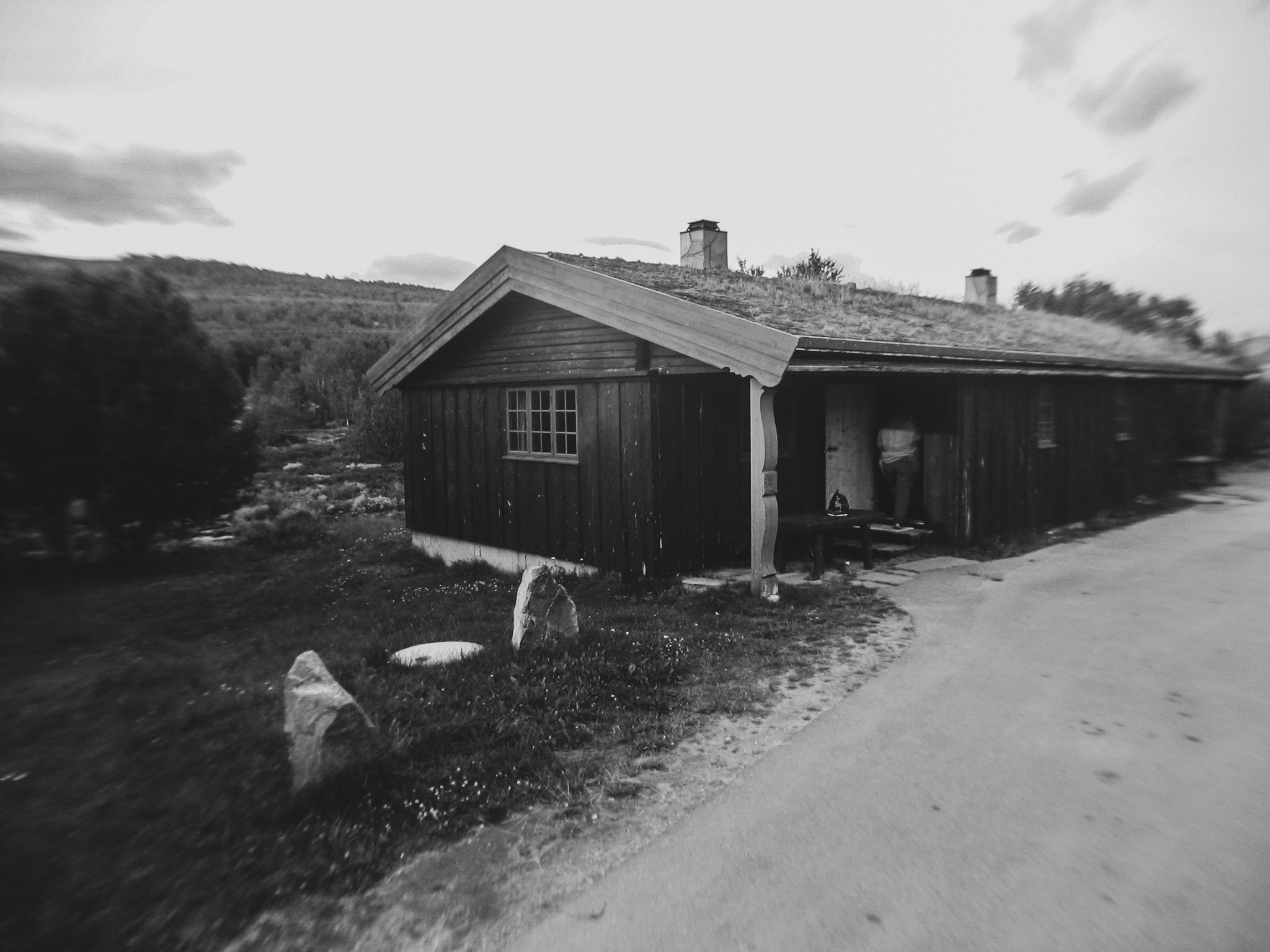
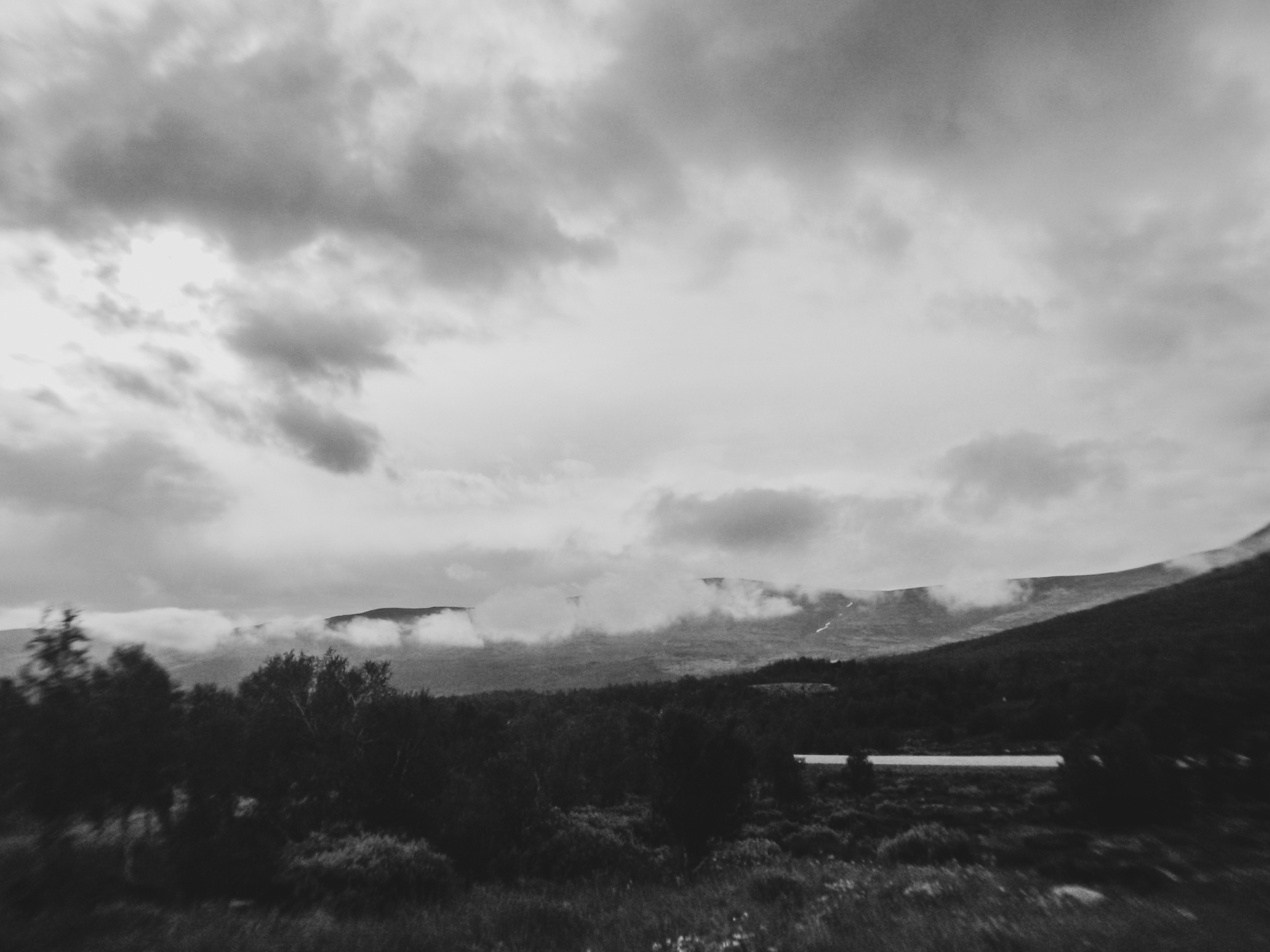
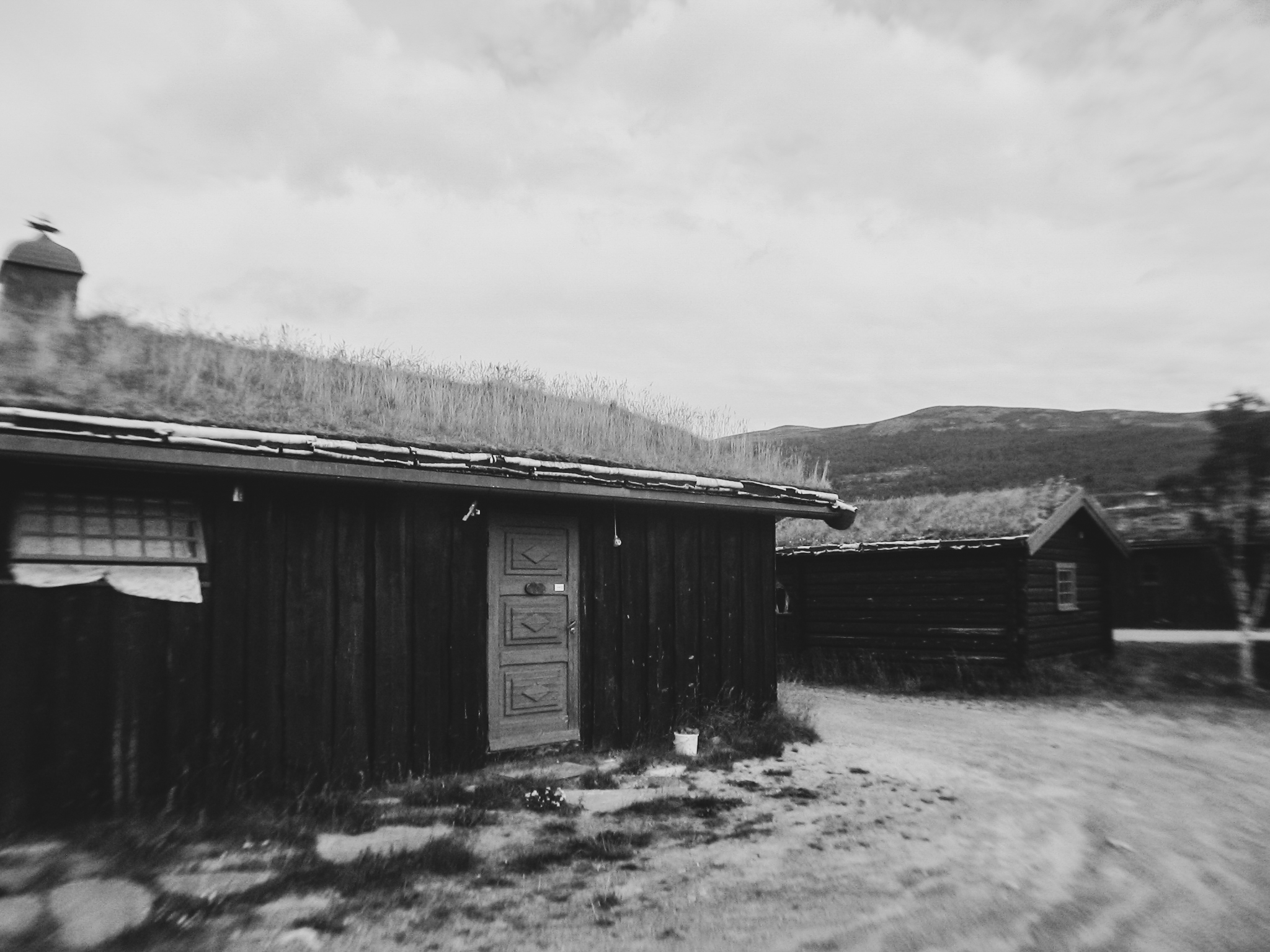
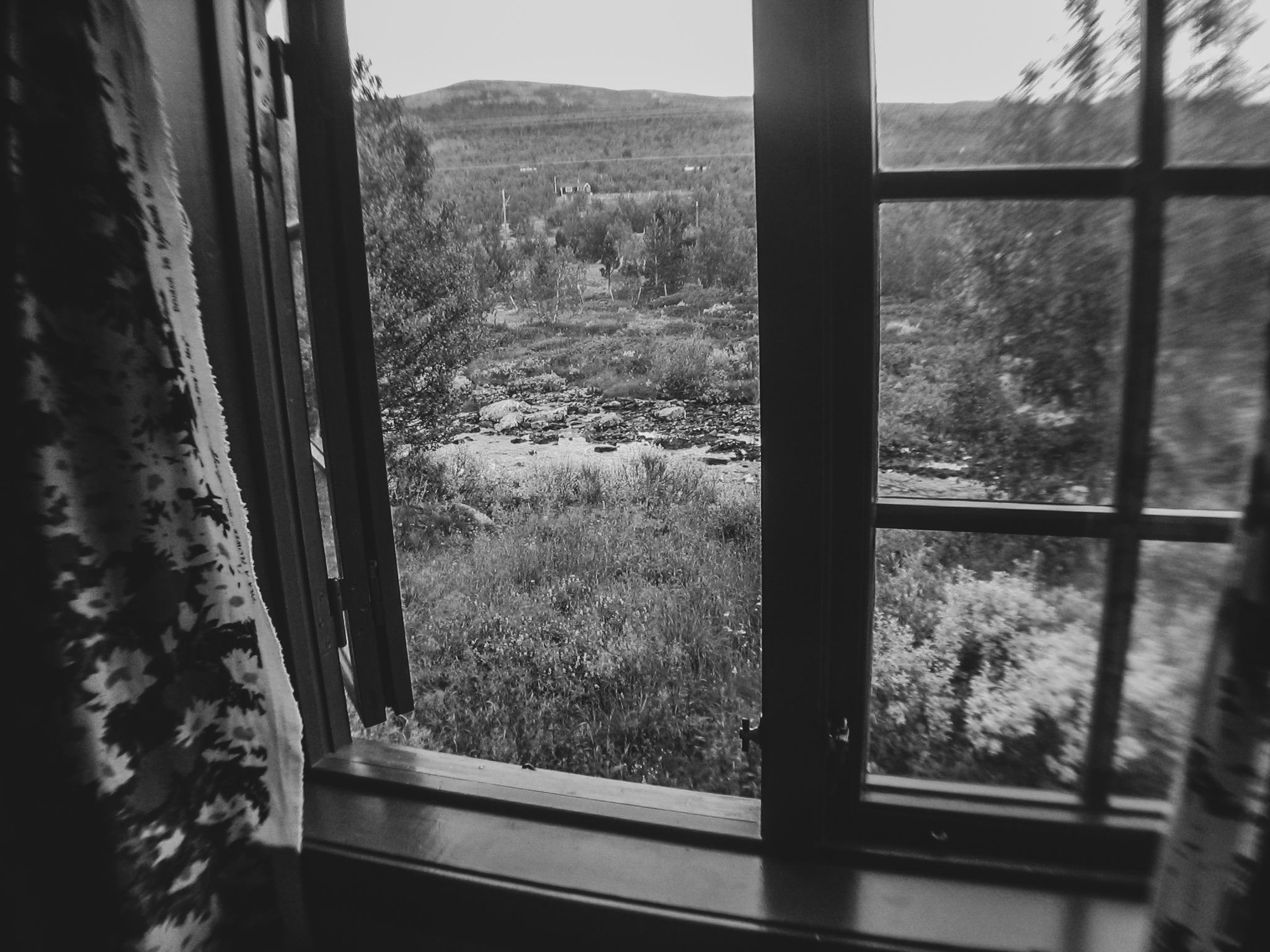
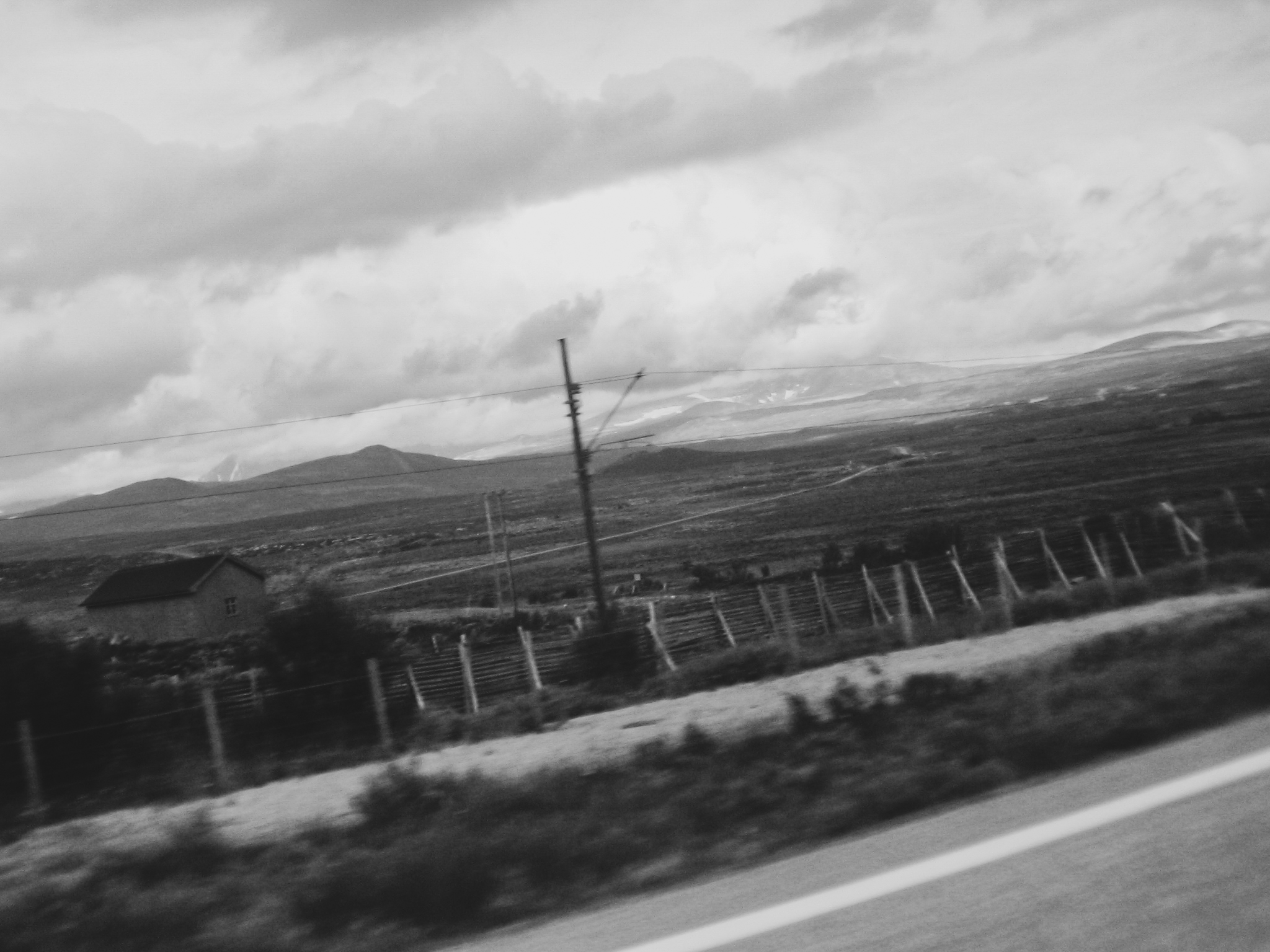
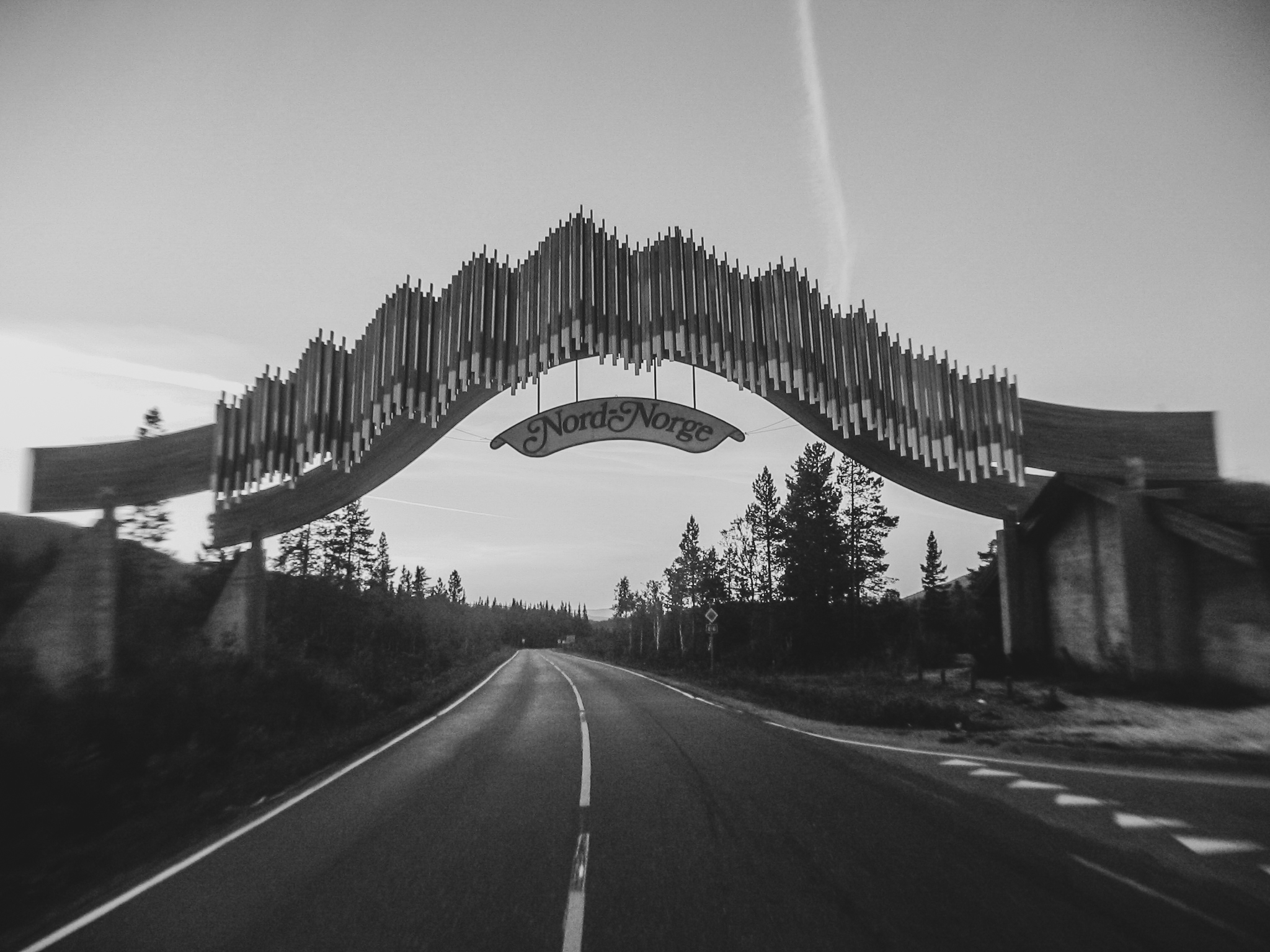
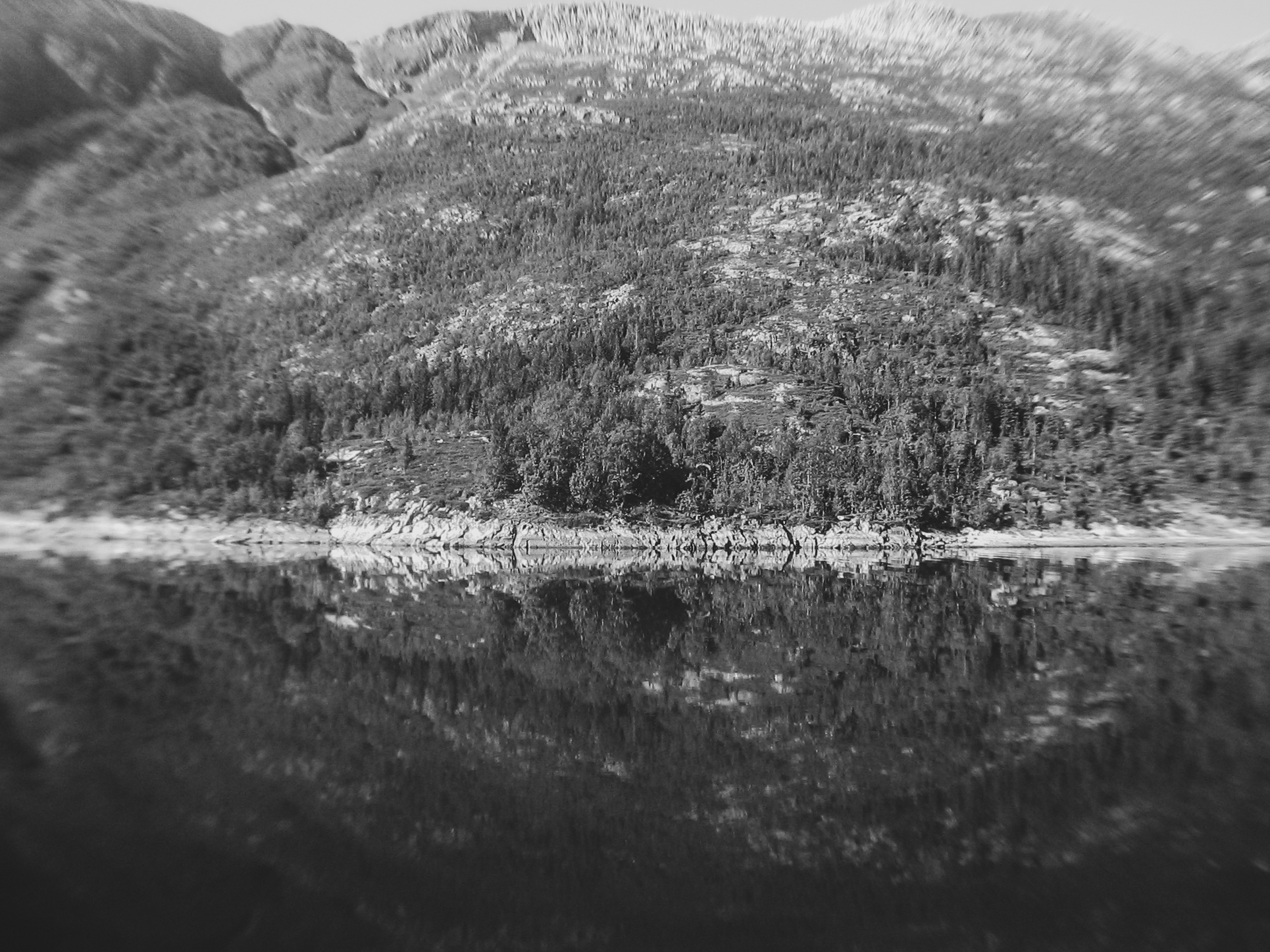
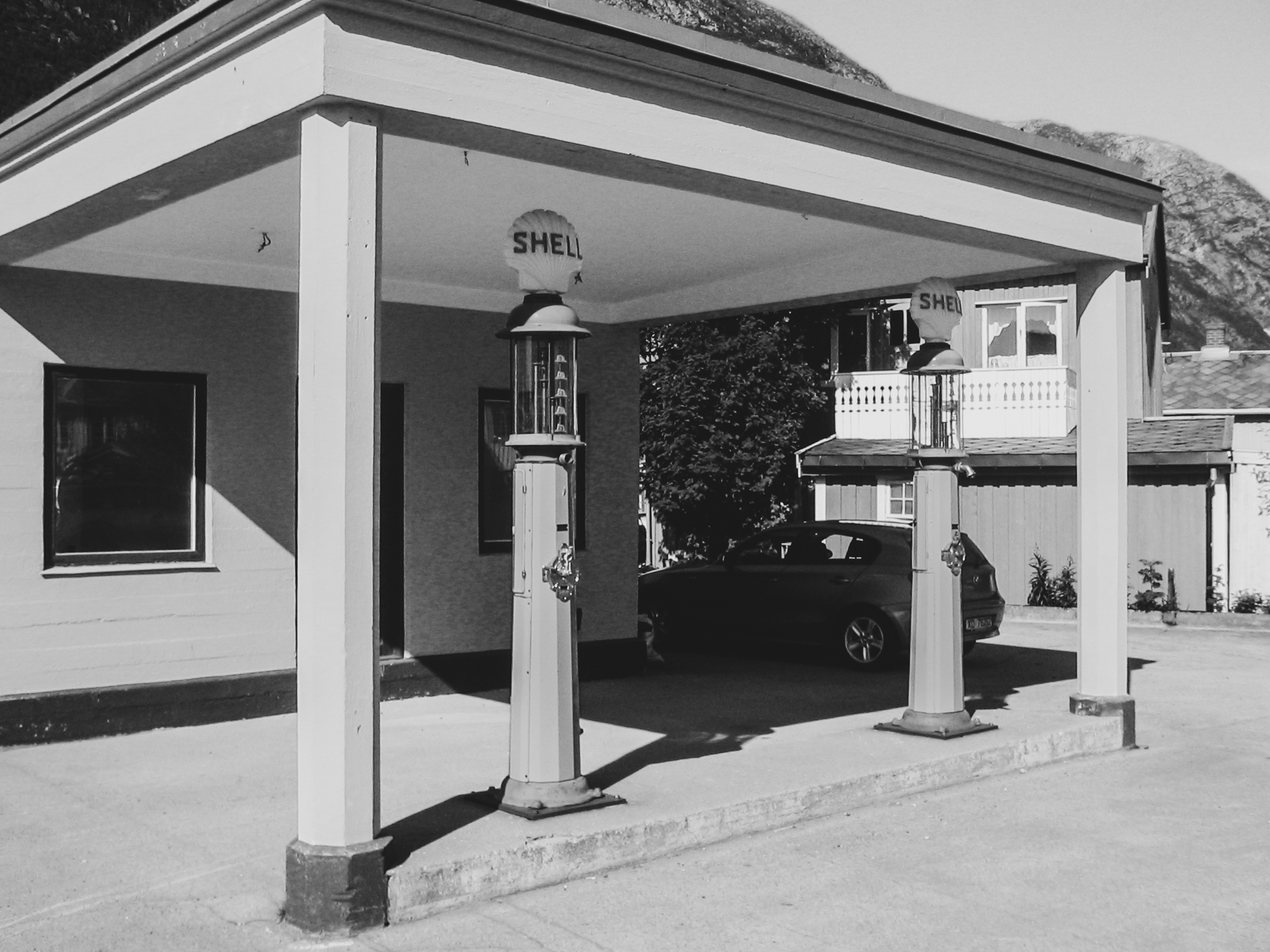
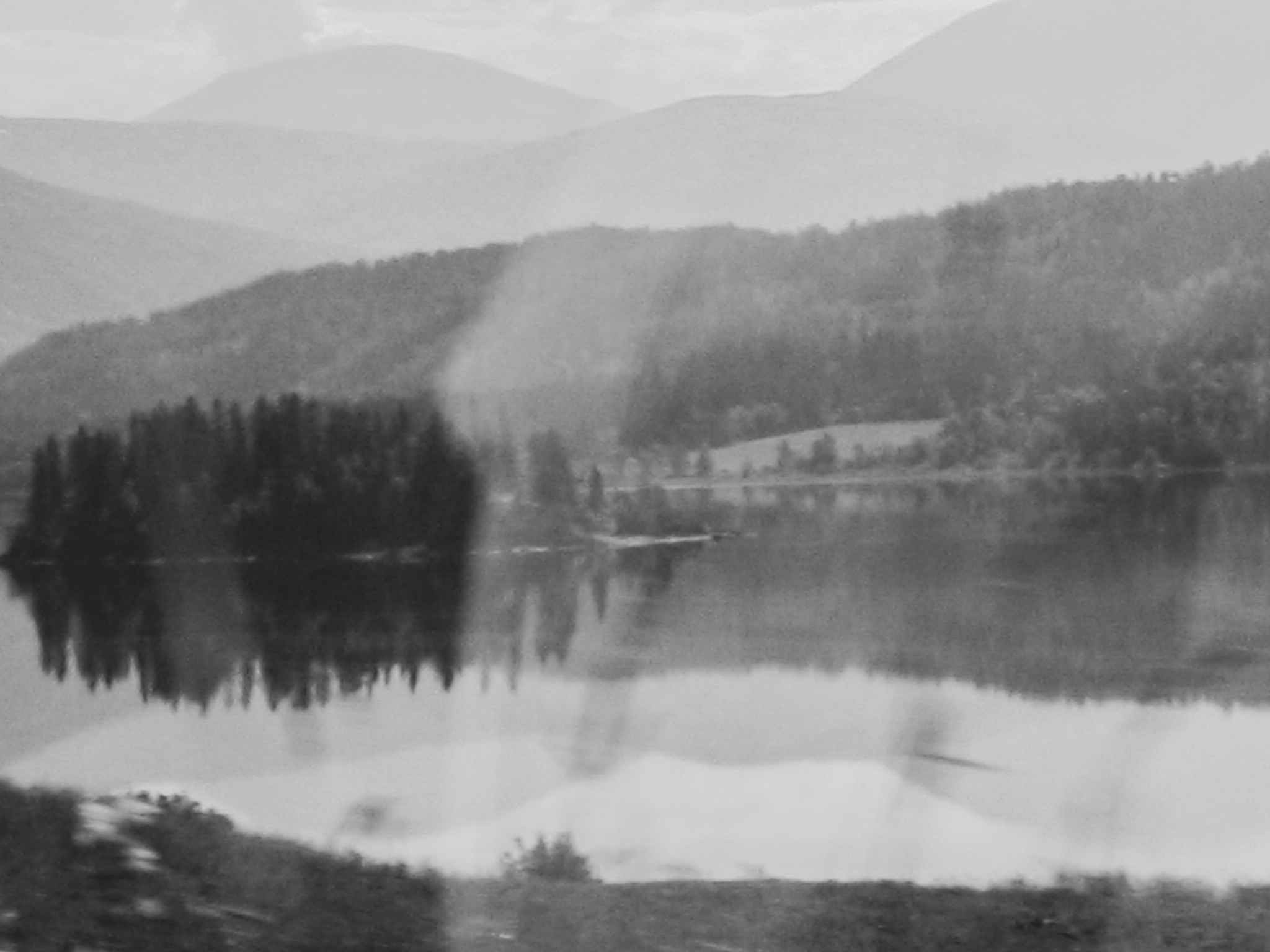
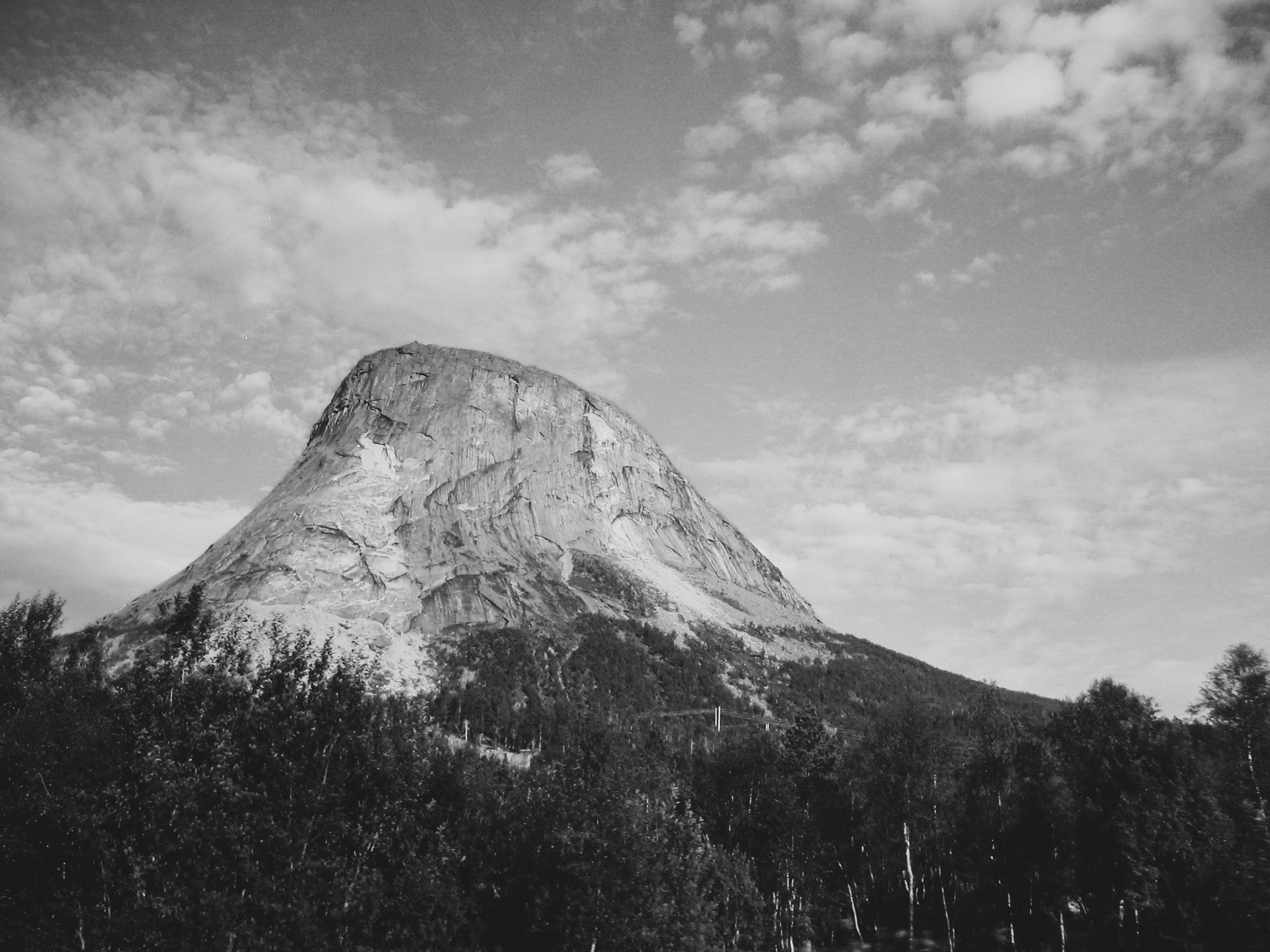
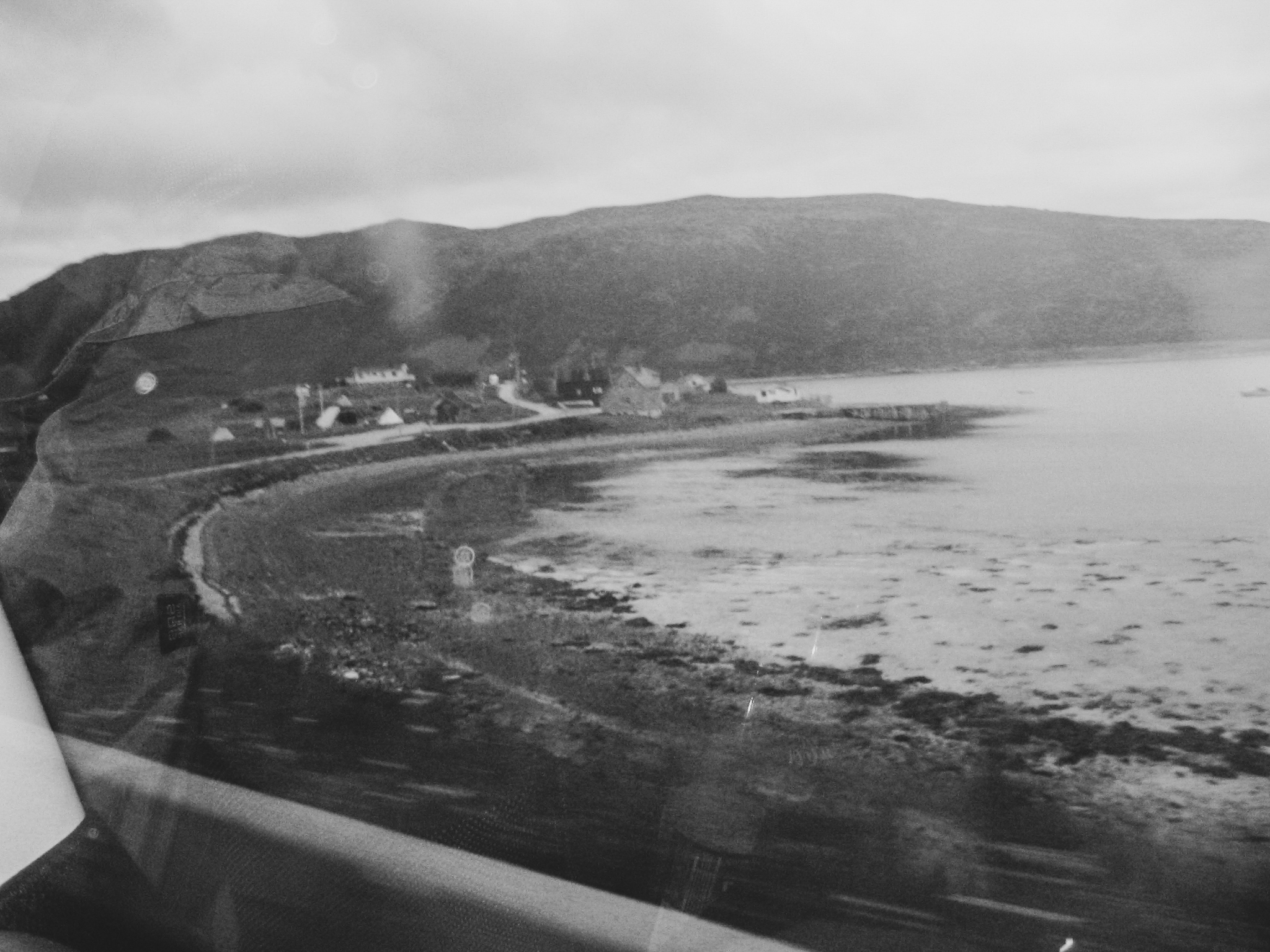
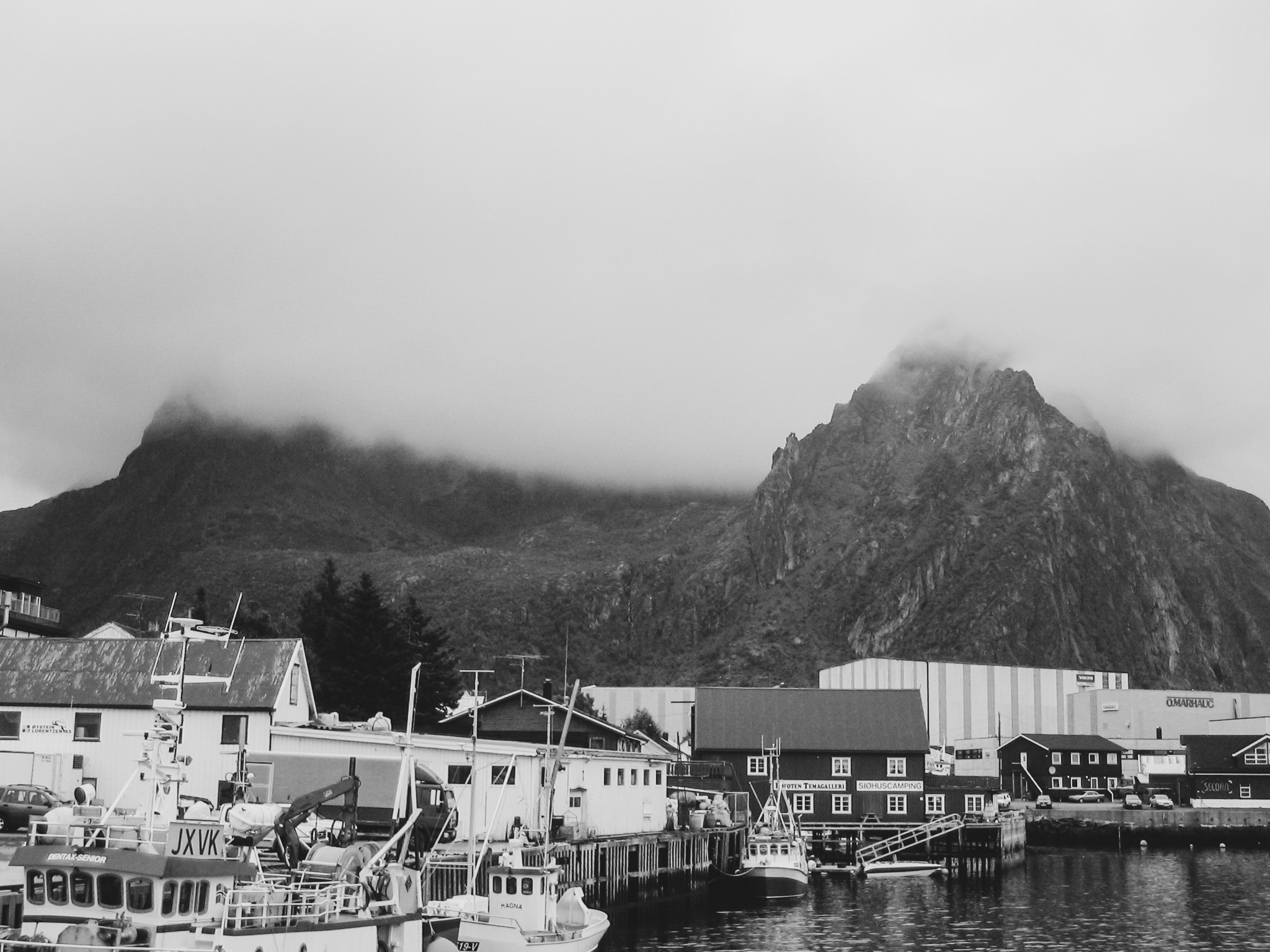
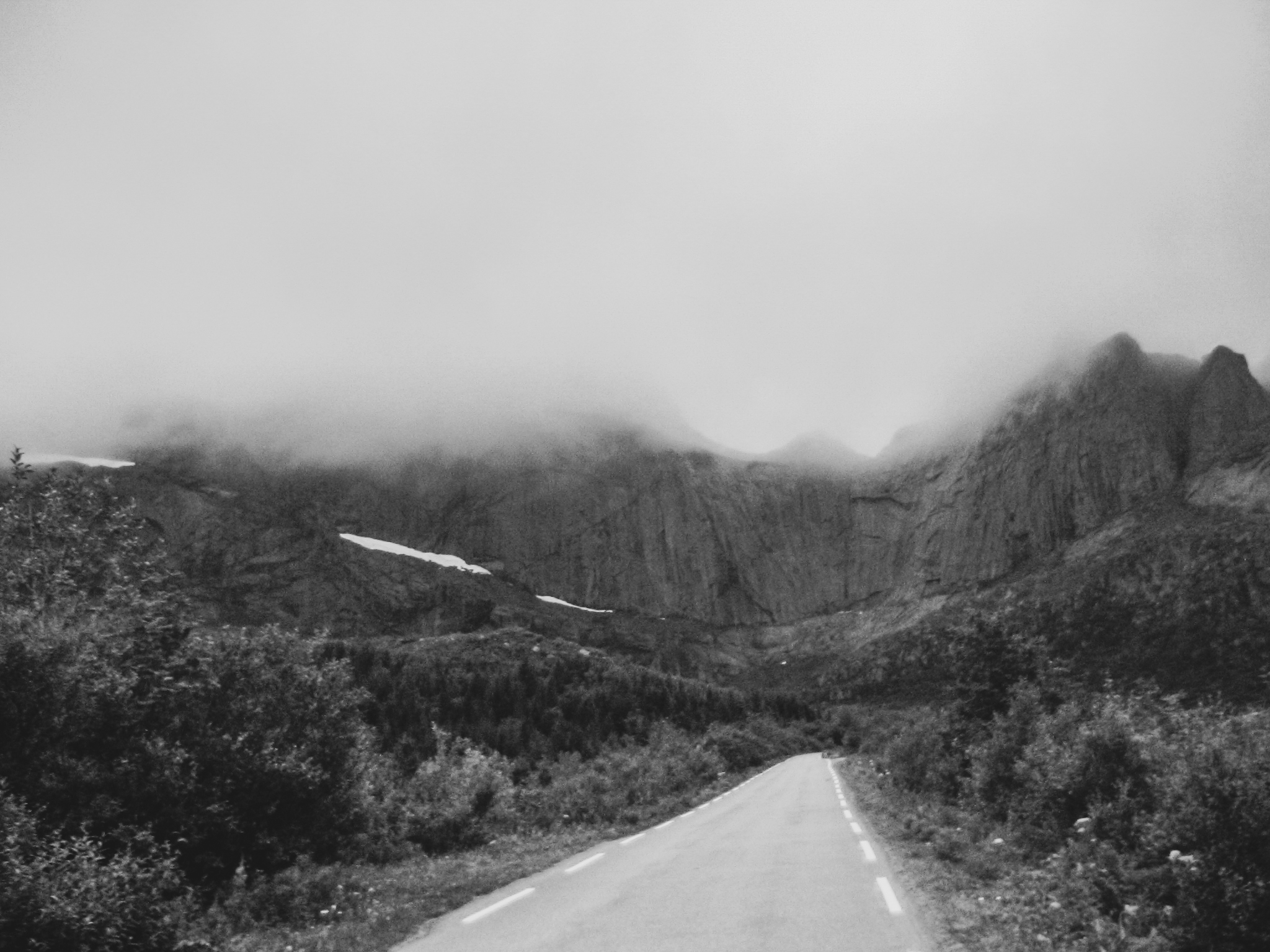
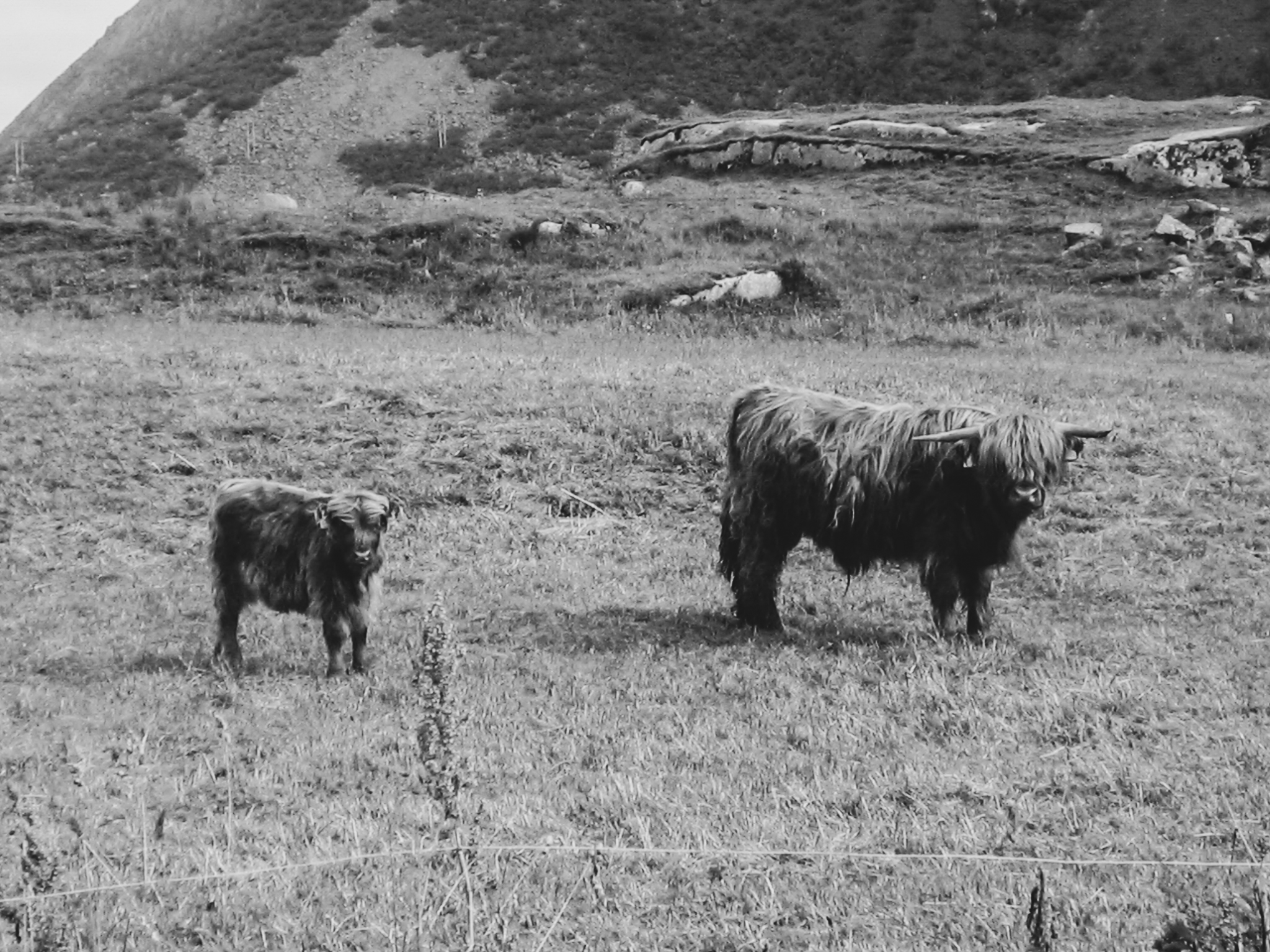
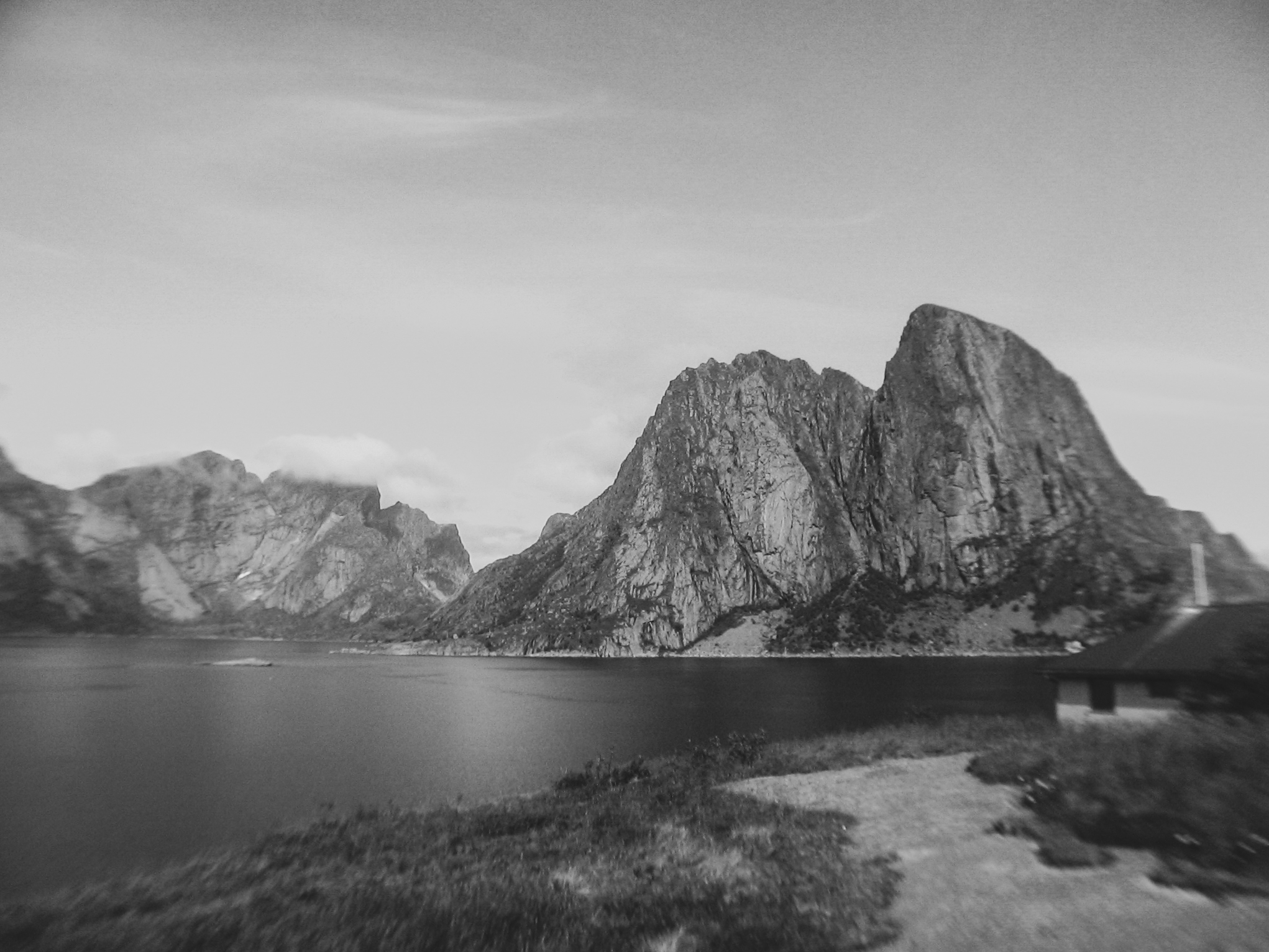
In 2006, I crossed Northern Europe with family friends who took me on a long, continuous journey: from Copenhagen to the North Cape and back. The Lofoten Islands, Lapland—lands where, during the day, it was hard to count the cars we met using just the fingers of two hands.
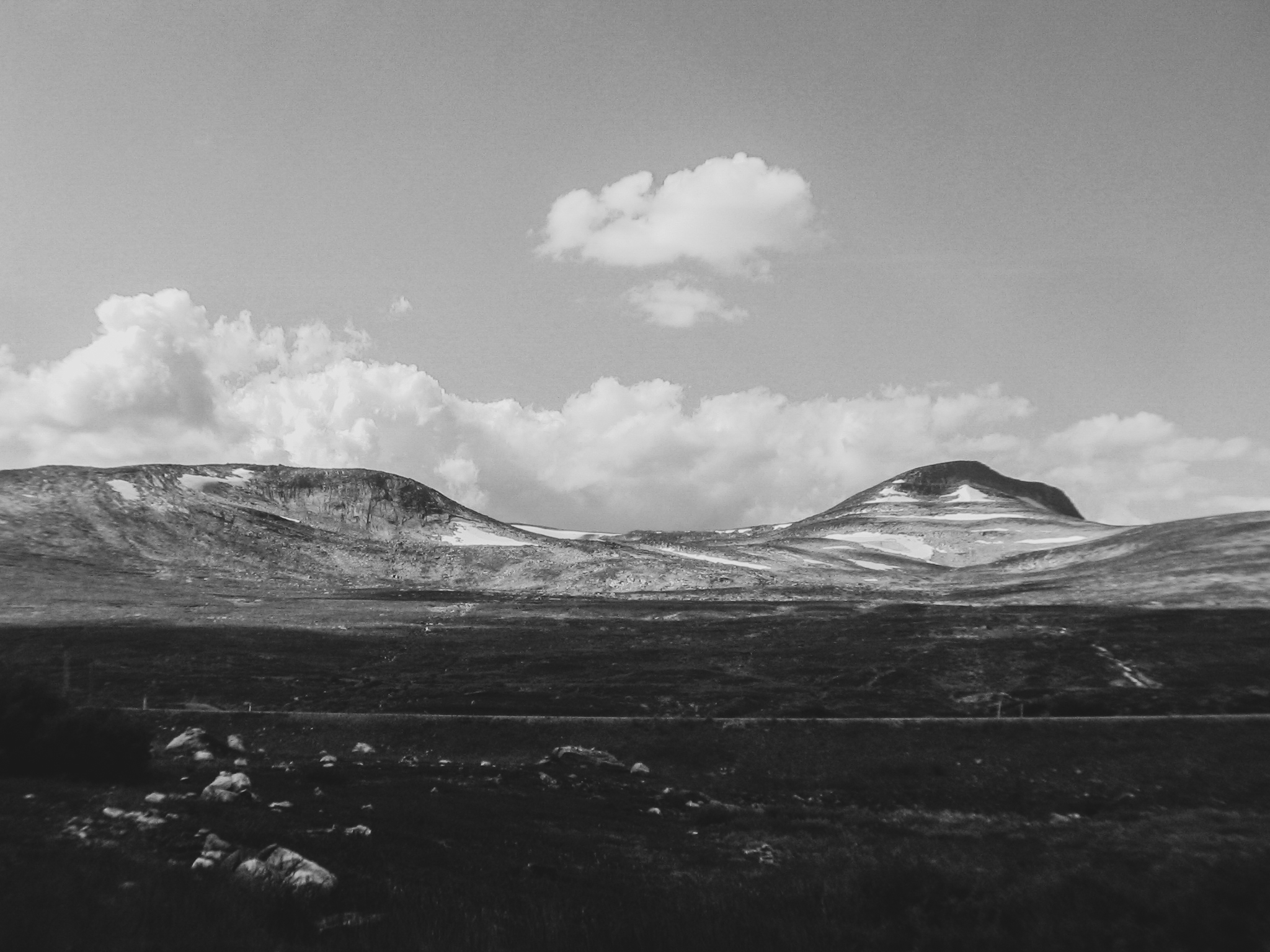
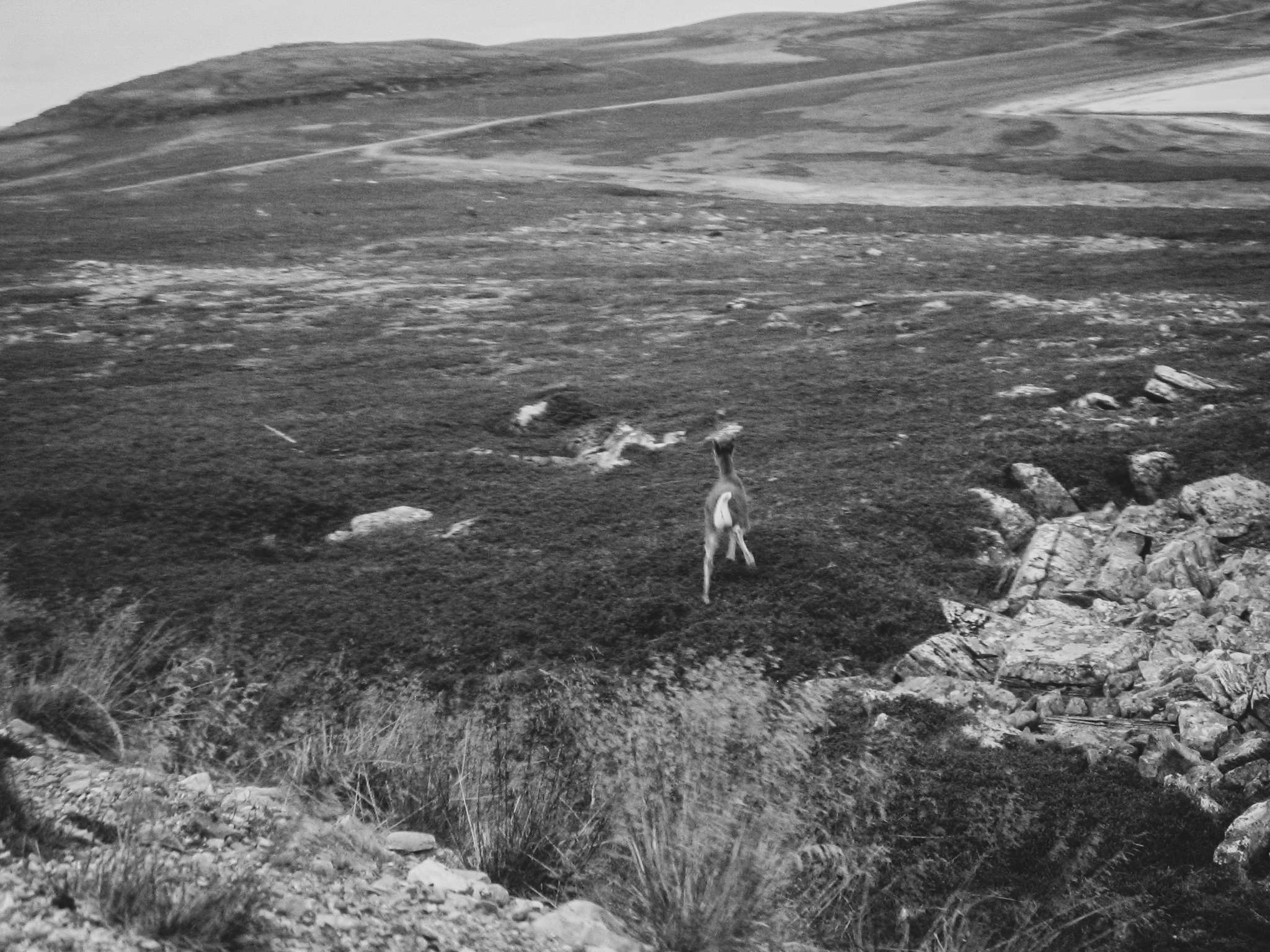
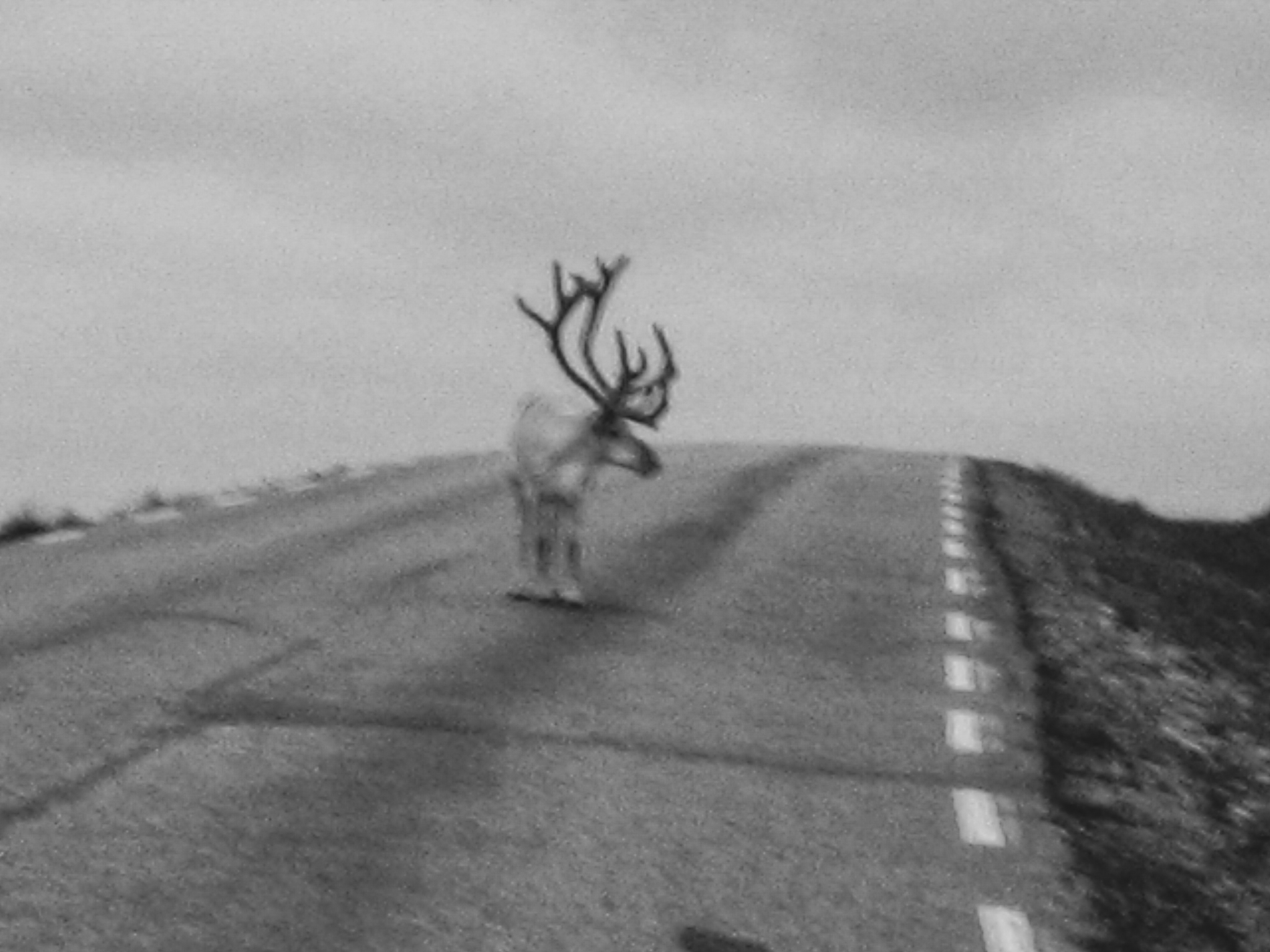
Approaching the North Cape, we followed our first reindeer for kilometres across the tundra. A short distance later, the roads were filled with them, like sheep in the countryside back home.
The midnight sun, the northernmost shelters in the world, a light that dissolves time and stretches space.
At the time, these places felt at the margins of everything. Today, they have returned to the centre of political and geopolitical debate: control over maritime routes, rare earths, a renewed idea of borders.
No, this is not Greenland. On the map, we are still in Europe. And yet the North has always been a threshold—a territory that resists familiar categories, where distance itself takes on a different meaning.
Hyper-connectivity first brought us closer, then nurtured a desire for distance and separation, only to place us once again in the same shared landscape of global crises. In this recurring cycle, basic needs return to the forefront: air, space, silence.
Almost twenty years have passed. Some hopes, some people, no longer exist.
Photography was already with me then—and even before that. That is why, when I am asked when I started taking photographs, a seemingly simple question, I never quite know how to answer. Except to say: since I can remember.
This project begins precisely there: with memory, and with the function of memory itself.
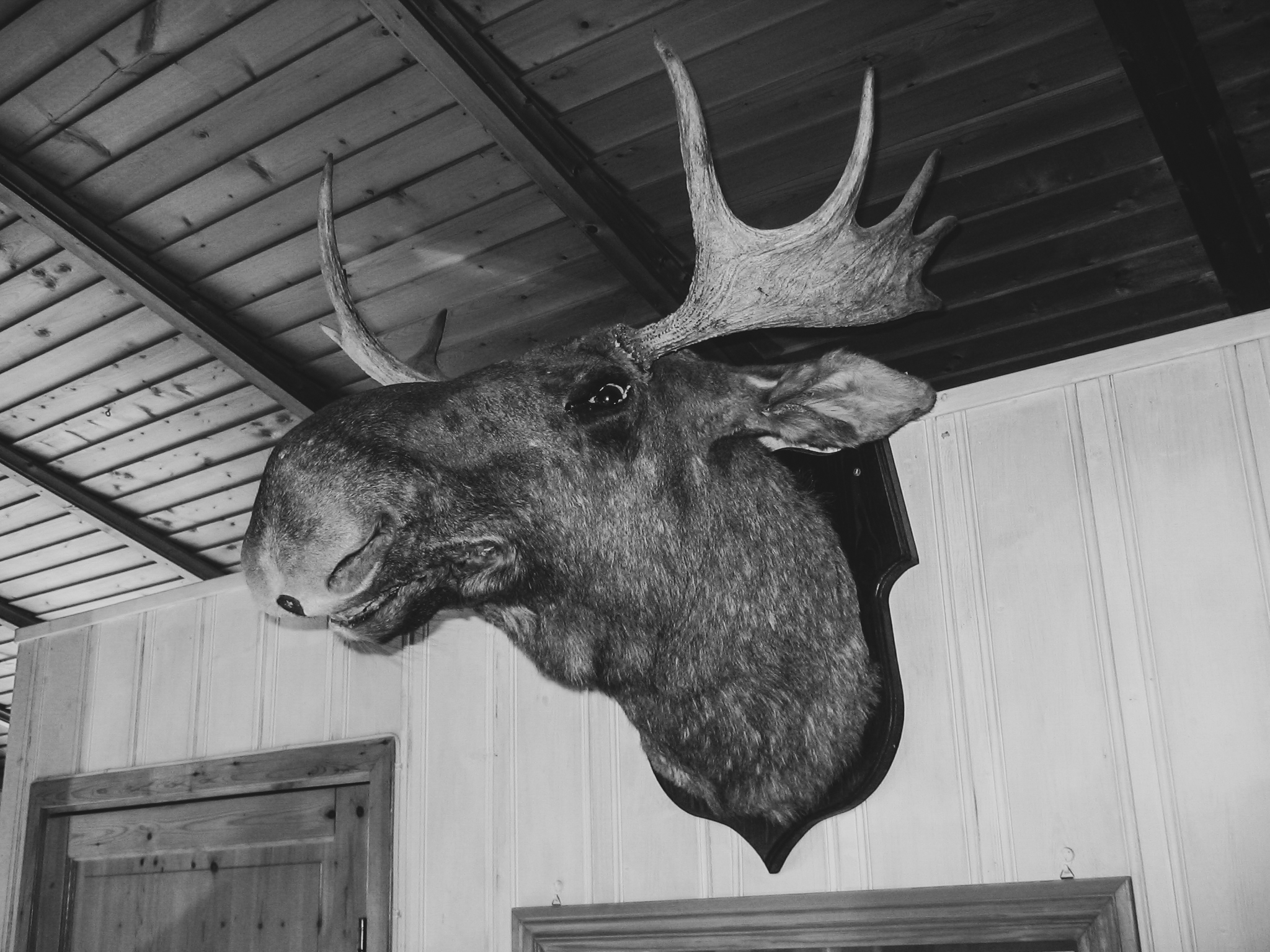
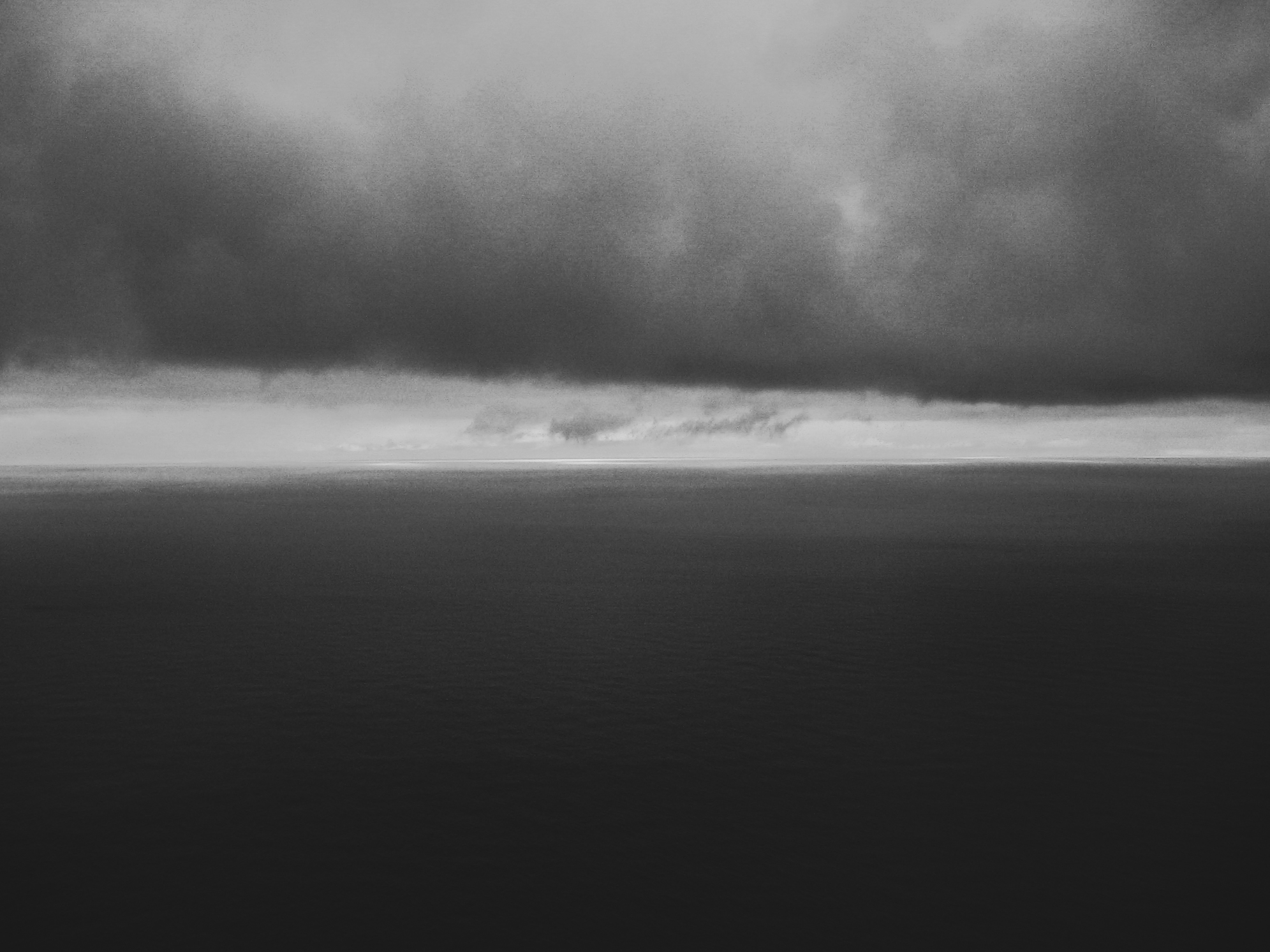
The images made during that journey, using an old camera of mine, do not tell the story of a beginning, but of a passage—a moment when a gaze already existed, yet was still learning how to recognise itself, how to understand what to seek and what to hold on to.
Lands that appeared empty, yet were already full of life, nature, and desire.
Looking at them again today means questioning the present through the past, and recognising that even in the most extreme places—where there seemed to be nothing—everything was already there.
[Ita]
Da quando ho memoria
Nel 2006 ho attraversato il Nord Europa con amici di famiglia che mi hanno accompagnato in un viaggio lungo e continuo: da Copenaghen a Capo Nord, e ritorno. Lofoten, Lapponia, territori in cui durante il giorno si faceva fatica a contare le auto incontrate usando le dita di due mani.
Arrivando a Capo Nord, la prima renna l’abbiamo seguita per chilometri attraverso le steppaglie. Poco dopo, a breve distanza, le renne riempivano le strade, come le pecore nelle nostre campagne.
Il sole a mezzanotte, i rifugi più a nord del mondo, una luce che annulla il tempo e dilata lo spazio.
All’epoca quei luoghi sembravano ai margini di tutto. Oggi sono tornati al centro di interessi e dibattiti politici: il controllo delle rotte marittime, le terre rare, una nuova idea di confine.
No, non siamo in Groenlandia. Sulla carta siamo ancora in Europa. Eppure il Nord è sempre stato una soglia, un territorio che sfugge alle categorie abituali, un luogo dove il concetto stesso di distanza assume un altro significato.
L’iperconnessione ci ha prima uniti, poi ha alimentato il desiderio di separazione, di distacco, per ritrovarci infine immersi nello stesso calderone di crisi internazionali. In questo ritorno ciclico, tornano centrali bisogni primari: aria, spazio, silenzio.
Sono passati quasi vent’anni. Alcune speranze, alcune persone, non esistono più.
La fotografia mi accompagnava già allora, e anche prima. Per questo, quando mi chiedono da quanto tempo fotografo, una domanda apparentemente semplice, non so mai cosa rispondere. Se non: da quando ho memoria.
Questo lavoro nasce proprio da lì. Dal ricordo che riaffiora e dalla funzione stessa della memoria.
Le immagini realizzate durante questo viaggio, con una mia vecchia macchina fotografica, non raccontano un inizio, ma una fase di passaggio: un momento in cui lo sguardo esisteva già, ma stava ancora imparando a riconoscersi, a capire cosa cercare e cosa trattenere.
Terre che sembravano vuote e che invece erano già allora piene di vita, di natura, di desideri.
Oggi, tornare a guardarle significa interrogare il presente attraverso il passato. E riconoscere che anche nei luoghi più estremi, dove “non c’era niente”, c’era già tutto.
Category:
ProgettiDate:
Marzo 25, 2019


